Container geometry
Overall dimensions are only the starting point. Neck finish, opening, shoulder shape, base, rigidity and center of gravity influence guides, timing and machine handling.
Packaging sample checklist
Bottle and closure details affect filling position, conveying, cap feeding, tightening, labeling and changeover. Supplying drawings and representative samples early reduces avoidable assumptions in a line proposal.
For project owners and procurement teams preparing a new bottle, cap or multi-format packaging-line inquiry.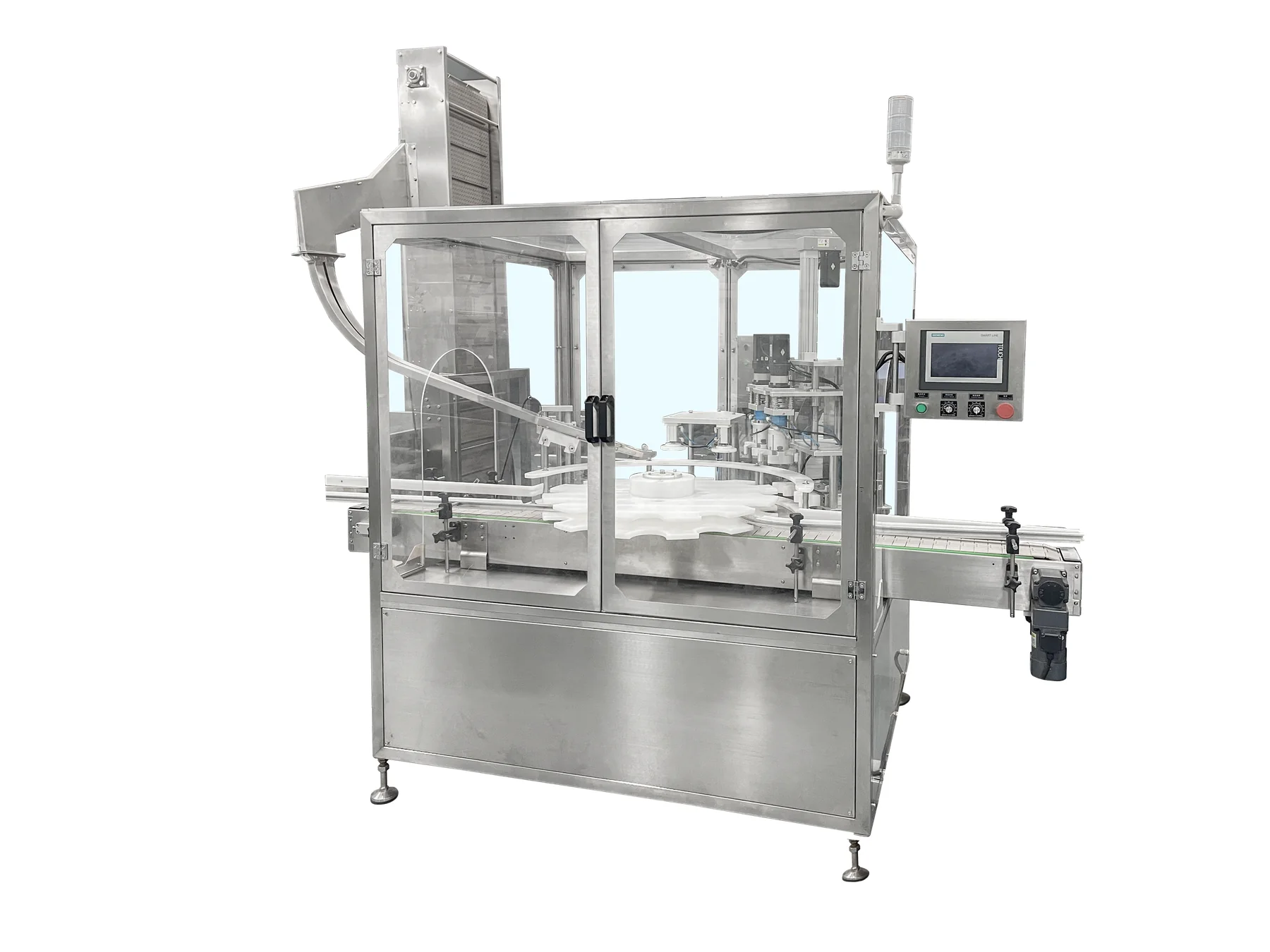
Selection decisions
Overall dimensions are only the starting point. Neck finish, opening, shoulder shape, base, rigidity and center of gravity influence guides, timing and machine handling.
Identify cap type, dimensions, orientation features, liner or insert, tamper-evident features and the required closing action. Samples help reveal details that drawings may not show.
A bottle must remain controlled during filling, capping, labeling and transfers. Document instability, deformation or scuffing concerns so the handling method can be assessed.
List every bottle and closure combination, expected production share and changeover frequency. This shows where shared tooling is realistic and where dedicated change parts may be needed.
Information checklist
Working process
Assign a clear format name to each bottle, closure and label combination. Keep drawings, revisions and sample identifiers aligned.
Confirm that samples represent the production design. Record any known variation, deformation or molding characteristics that affect handling.
Use the pack record to assess guides, nozzles, star wheels, grippers, capping heads, label position and inspection views across the line.
Identify format-specific parts, adjustment references and the sample quantities needed for engineering review and agreed testing.
Buyer questions
Drawings are important, but representative samples are normally needed to assess stability, tolerances, surface behavior and closure handling before final confirmation.
List every format expected on the line, including low-volume formats. Omitting a format can change the changeover concept and required parts.
Provide the latest controlled drawing and prototype status, mark all pending dimensions and plan a later sample review before final technical confirmation.
The complete line must transfer a clean, stable bottle into closure application and downstream operations. Bottle and cap decisions affect more than the capper alone.
Start with the production task
Prepare your material, container, closure, label, target output and available floor space. These inputs define the right next step.
Prepare your project brief →