Liquid filling & packaging systemsApplication-led · Evidence-based
OOnepackt MachineryDiscuss your line
Menu

Built around the product and pack

Build the line around your product.

Onepackt helps supplement and food producers turn a packaging requirement into a workable line—from bottle handling and filling to capping, labeling, inspection and secondary packaging.

Product behavior firstPack-format reviewConnected line flow
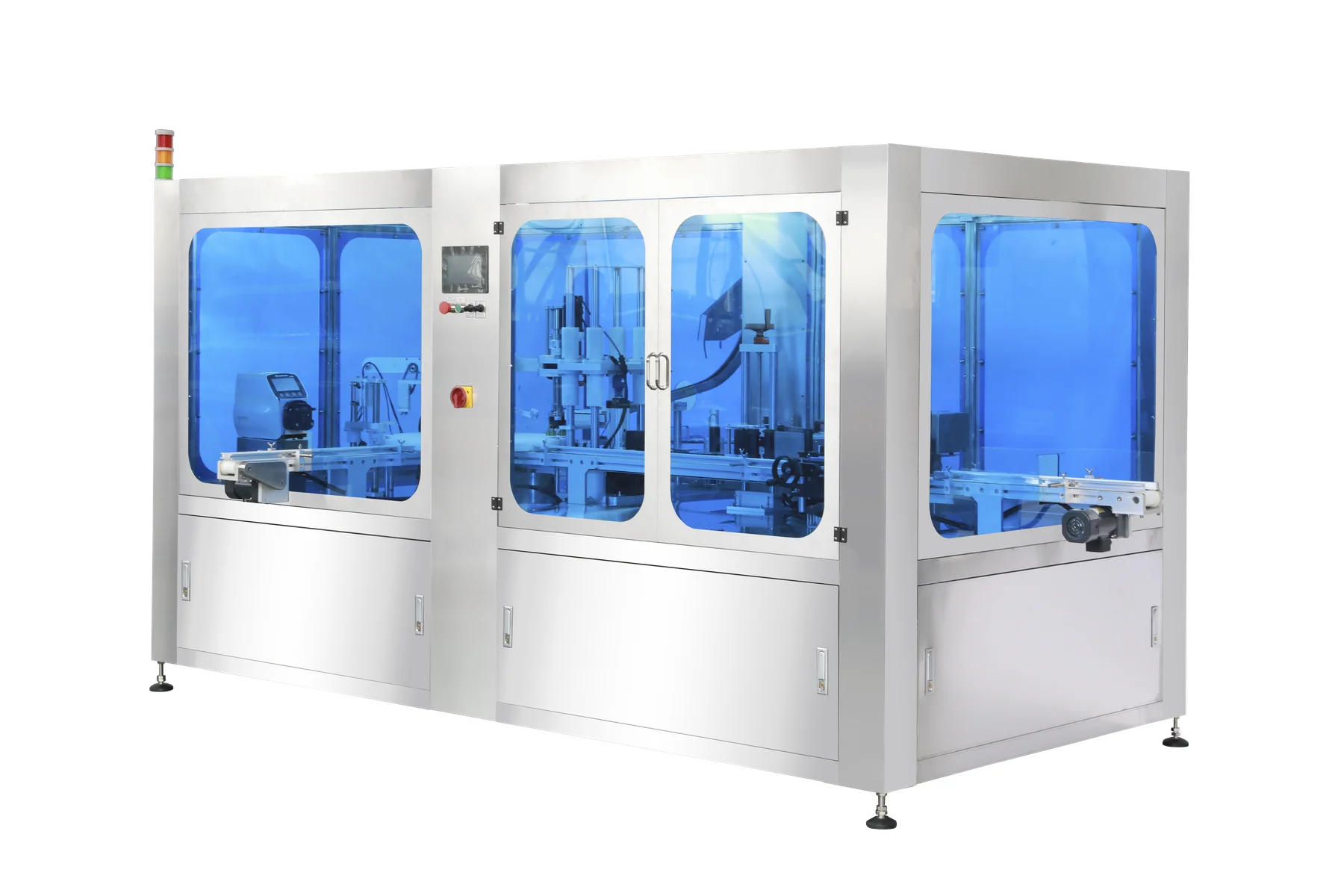
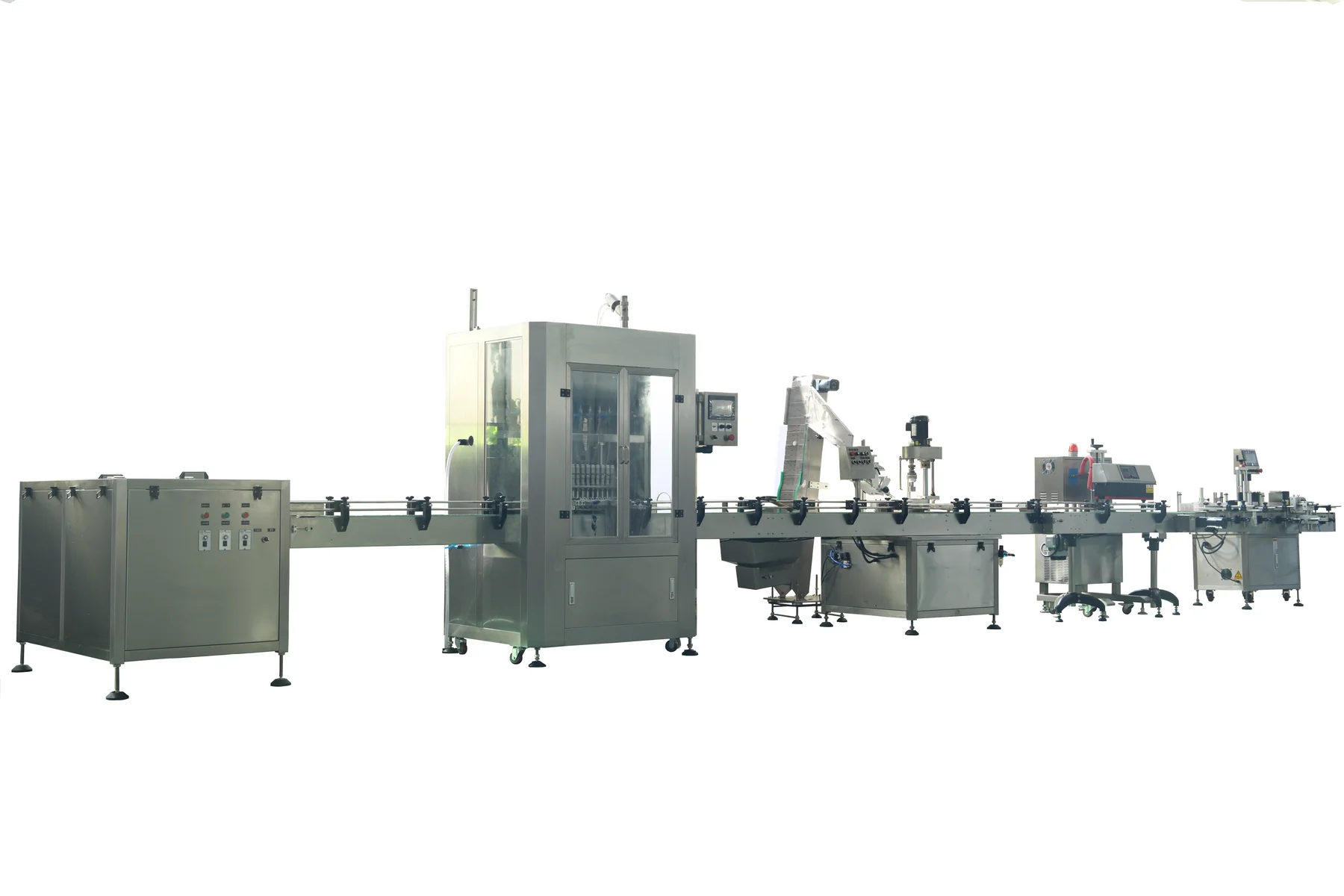
Integrated food and condiment filling and packaging line
01 / INTEGRATED LINEFood & condiment applications
START WITHProduct behavior
DEFINEPack and output
CONNECTEvery line module
PREPAREAcceptance and support

Two focused solution paths

Choose equipment after the application is understood.

Product behavior, container geometry, closure, label, output target, cleaning, utilities and available floor space are reviewed before the final equipment configuration is confirmed.

Food & Condiment Filling Lines01

Primary application

Food & Condiment Filling Lines

Sauces and condiments can vary in viscosity, particle content, foaming and temperature sensitivity. The line must consider how the product flows, how filling stops cleanly and how the product path will be cleaned.

  • Viscosity changes and suspended particles
  • Dripping, stringing and foaming
  • Container and recipe changeovers
Explore this solution
Liquid Supplement Filling Lines02

Focused solution capability

Liquid Supplement Filling Lines

Liquid supplements often combine small fill volumes, hygiene requirements, recipe changes and traceability expectations. The formula, dose, container, closure and inspection requirement should be defined before the line is selected.

  • Small fill volumes and dosing consistency
  • Cleaning and cross-contamination control
  • Multiple formulas and bottle formats
Explore this solution

Selected equipment

Build the process your application needs.

Filling, bottle preparation, capping and labeling platforms can be selected individually or coordinated as one line. Final specifications depend on the confirmed application.

View all equipment

Buyer resources

Prepare the right information before comparing machines.

Practical guides for filling-method selection, liquid supplement line planning, and bottle and closure review.

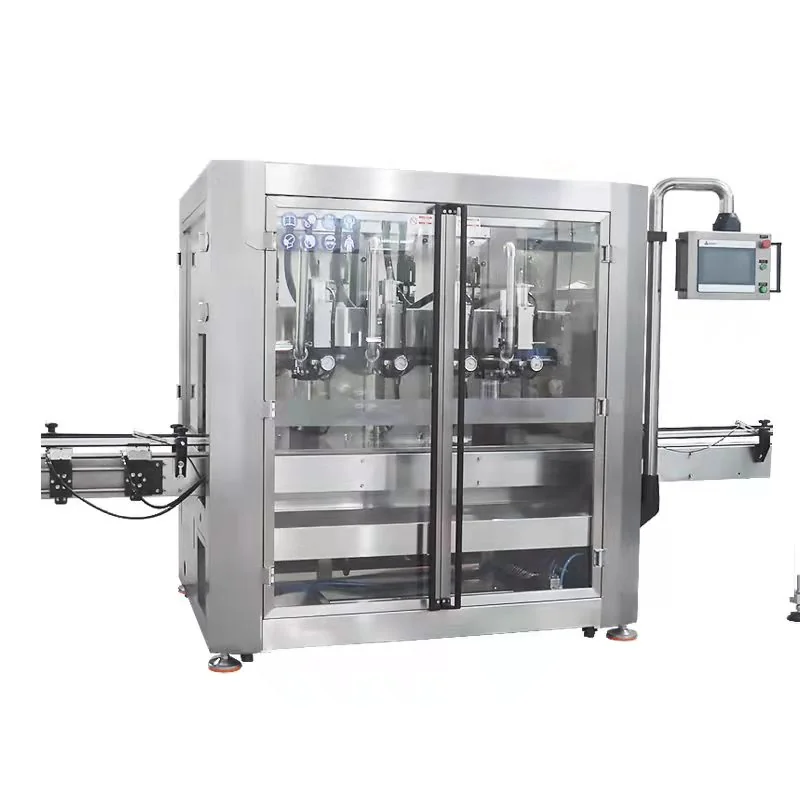
Food and condiment filling line used to assess a sauce filling application

Sauce filling selection guide

Selecting a sauce filling method

Choose the filling principle after reviewing how the product behaves, how the container is handled and how the product path will be cleaned—not from a catalogue label alone.

Read the guide
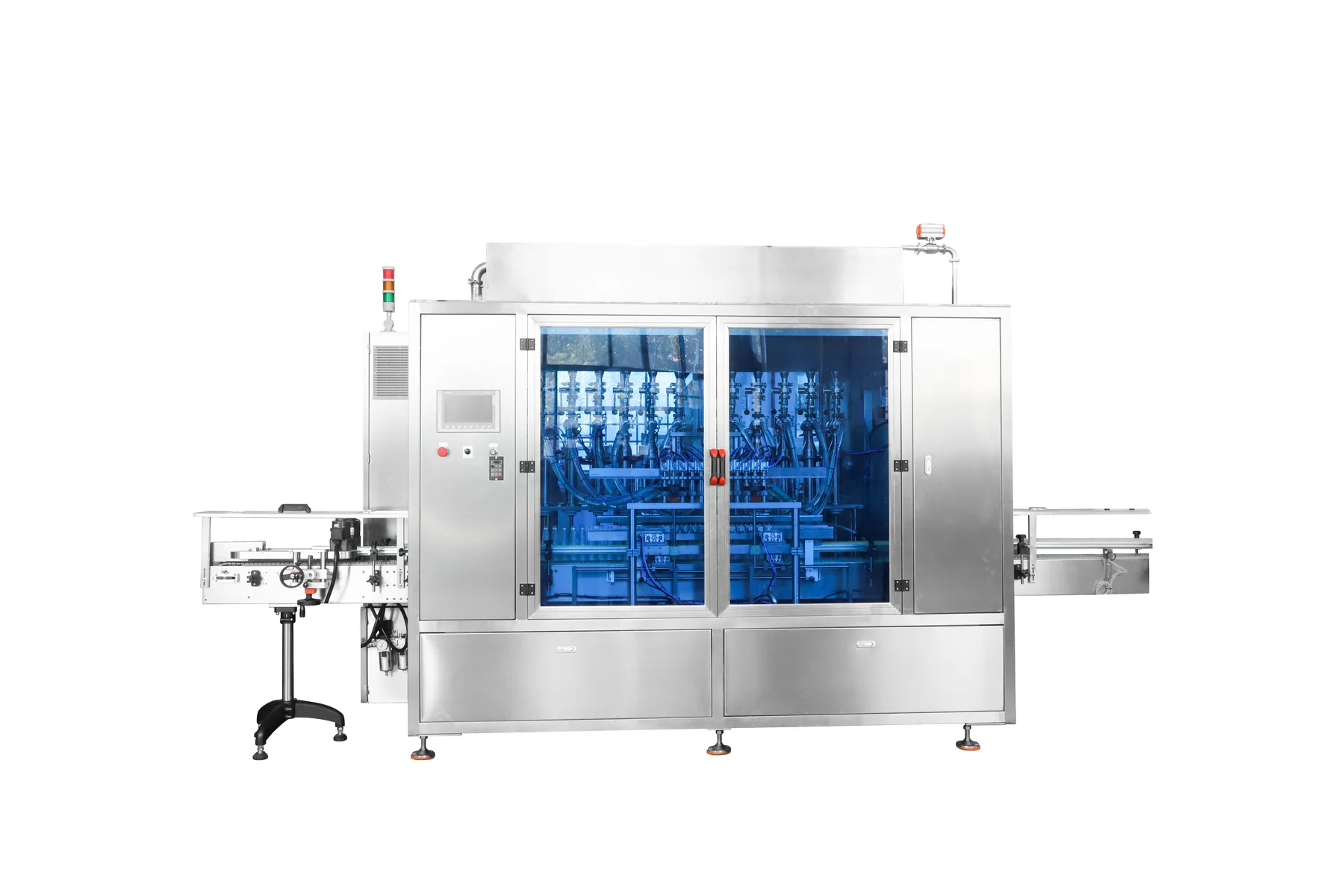
Filling and capping monoblock considered for a liquid supplement bottling line

Project requirement checklist

Liquid supplement line checklist

A useful proposal starts with the formula, dose, bottle, closure, hygiene approach, inspection scope and production target. This checklist helps a project team organize those inputs before equipment selection.

Read the guide
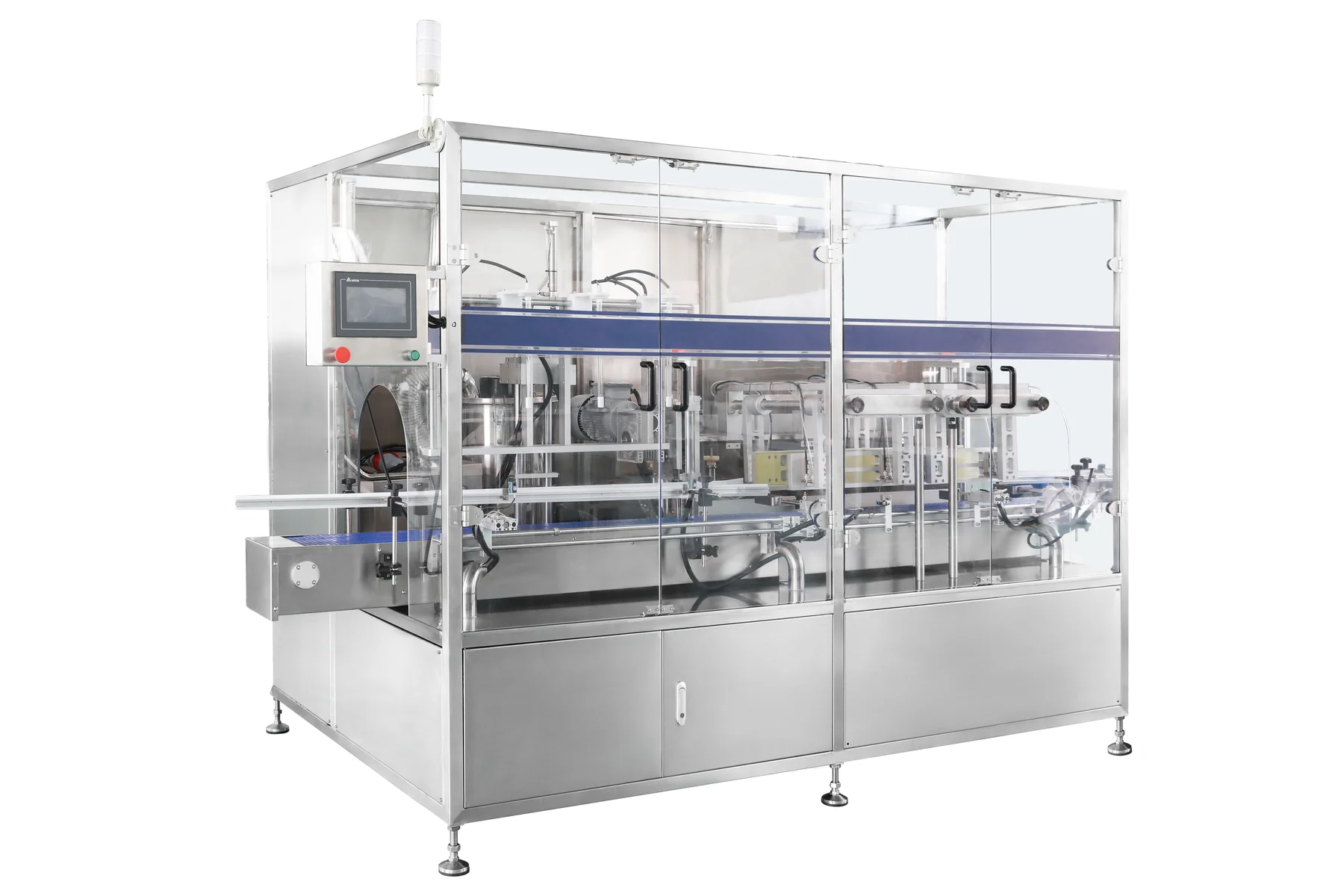
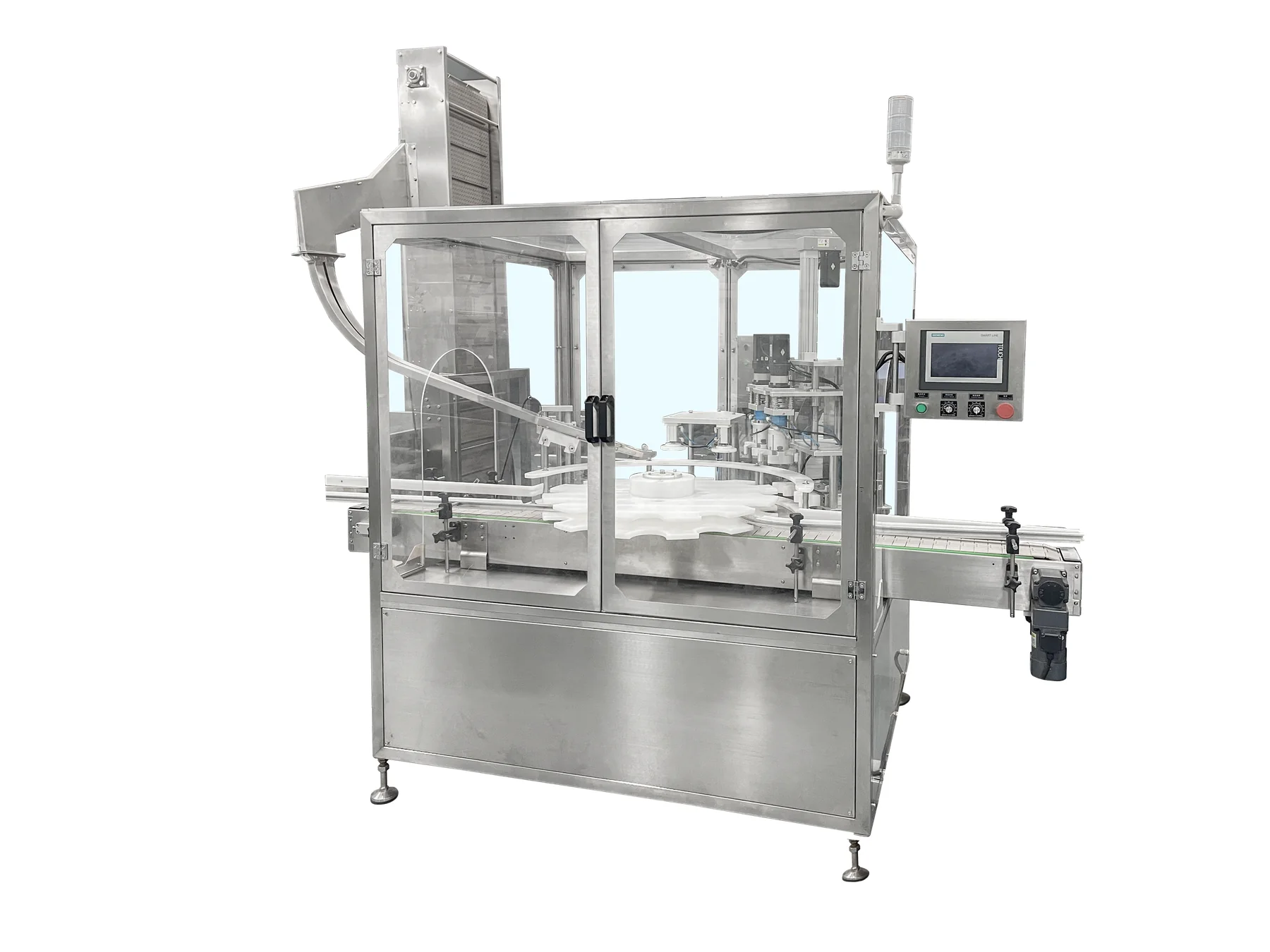
Star-wheel chuck capping machine used to review bottle and cap handling

Packaging sample checklist

Bottle and cap information checklist

Bottle and closure details affect filling position, conveying, cap feeding, tightening, labeling and changeover. Supplying drawings and representative samples early reduces avoidable assumptions in a line proposal.

Read the guide

Engineering scenarios

See how application constraints shape the line.

These are engineering decision scenarios, not customer cases or claims of achieved performance.

01 / SCENARIO

Viscous or particulate condiment filling

The product may drip, string, foam or contain particles, while several recipes or bottle formats share one line.

Review product behavior, nozzle and product-path design, cleaning access, container handling and downstream flow before selecting the filling principle.
02 / SCENARIO

Small-dose liquid supplement bottling

Dose, hygiene, formulation changes, closure placement, coding and inspection must work as one controlled process.

Build a format matrix and define product-contact, closure-handling, inspection and acceptance requirements before comparing line layouts.
03 / SCENARIO

Special closure and capping process

Bottle stability, cap geometry, feeding orientation and tightening criteria can make a general-purpose closing process unsuitable.

Use controlled drawings and physical samples to evaluate cap feeding, bottle positioning, the capping head and the required closing action together.
Review engineering scenarios

Project approach

Reduce uncertainty before equipment reaches the floor.

Each step turns production information into a clearer technical and delivery decision.

01

Clarify the production task

Products, containers, closures, labels, output targets, utilities and floor space are reviewed together.

02

Review the critical process

Product data or samples inform the filling method, handling logic and cleaning approach where required.

03

Engineer the complete flow

Machine interfaces, controls, guarding, accumulation and operator access are coordinated as one process.

04

Define acceptance

Factory acceptance scope, documentation and training requirements are agreed before delivery.

Start with the production task

Share the product, pack and output you need to run.

Prepare your material, container, closure, label, target output and available floor space. These inputs define the right next step.

Prepare your project brief
WhatsApp