Bottle filling configuration
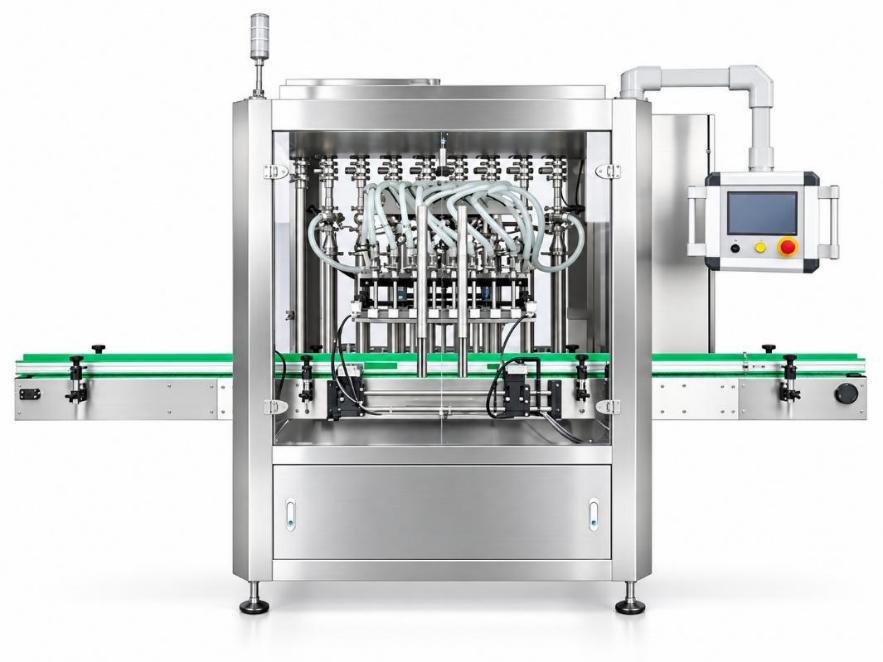
The current piston-filler range references 100–1000 mL. Confirm formula, dose and hygiene needs before selection. Smaller doses require a separate application review.
Review servo piston filling →
Focused solution capability
Liquid supplements often combine small fill volumes, hygiene requirements, recipe changes and traceability expectations. The formula, dose, container, closure and inspection requirement should be defined before the line is selected.
Start with your process
Compare the operating approach first. Final suitability and output require your product and packaging information.
The current piston-filler range references 100–1000 mL. Confirm formula, dose and hygiene needs before selection. Smaller doses require a separate application review.
Review servo piston filling →The documented YGZ-HD100 piston-filling baseline covers 100–1000 mL. Review product compatibility and connect filling to the appropriate bottle handling, capping and inspection modules.
Review the linear piston platform →List every formula, dose, bottle and closure before choosing the line. Include cleaning and inspection requirements so format changes are considered in the proposal, not after equipment selection.
Prepare the supplement line checklist →Production questions
Connected scope
Configuration decisions
Buyer questions
Answers remain application-specific. Confirmed product, pack and output information is required for the final configuration.
Product composition and flow behavior, fill volume, bottle and cap, target output, accuracy requirement, hygiene and cleaning method.
It can be evaluated. The design depends on cross-contamination risk, cleaning requirements, product-contact design and recipe management.
Batch coding, label inspection, vision inspection and weight checks can be considered when acceptance criteria are defined.
A high-speed requirement must be assessed as a new engineering project. Product behavior, dose, bottle and closure handling, hygiene expectations, inspection scope and target output must be reviewed together before a configuration is proposed.
Related equipment
These are options for an application review, not a fixed line configuration. Product, container, closure, label and cleaning requirements determine suitability.
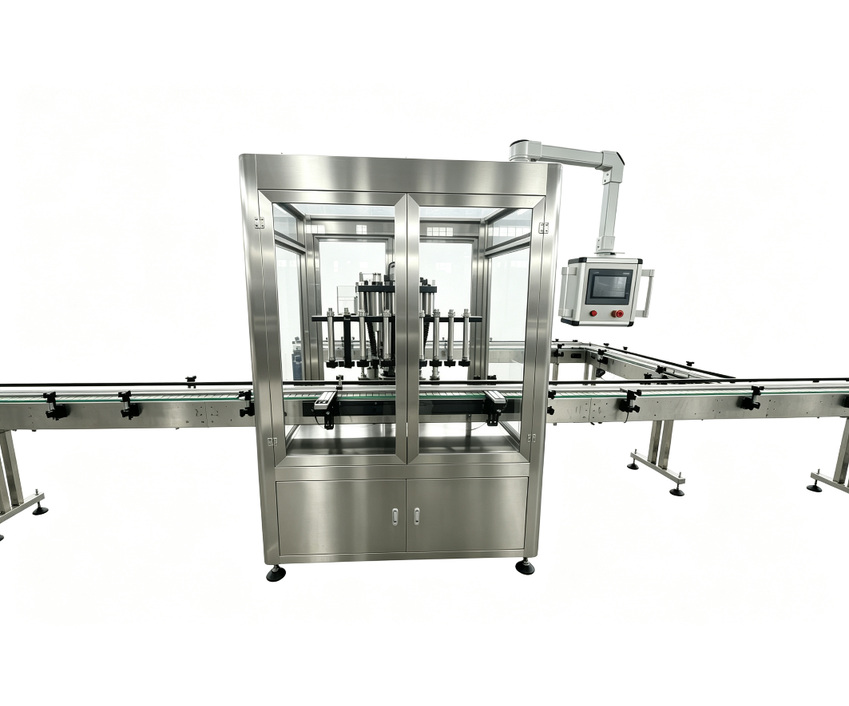
Empty glass, PET and PP bottles in food, pharmaceutical, nutraceutical and personal-care production where water washing is unsuitable.
View machine →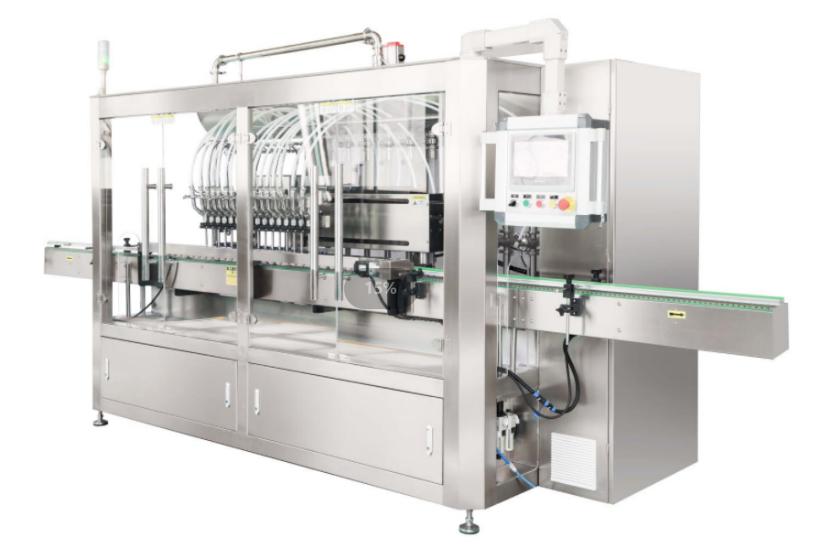
Sauces, honey, syrups, shampoo, body wash and pumpable creams in food, personal-care and pharmaceutical bottle-filling applications. Product and particle suitability require sample assessment.
View machine →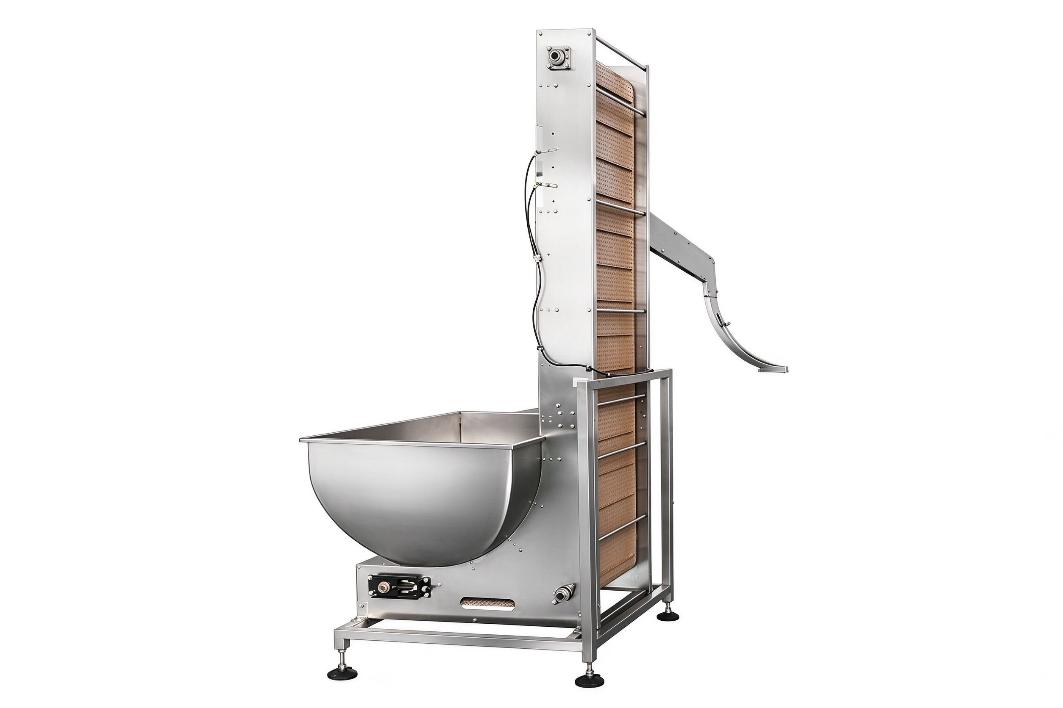
Round plastic or metal caps for screw-capping and press-capping equipment, subject to orientation trials.
View machine →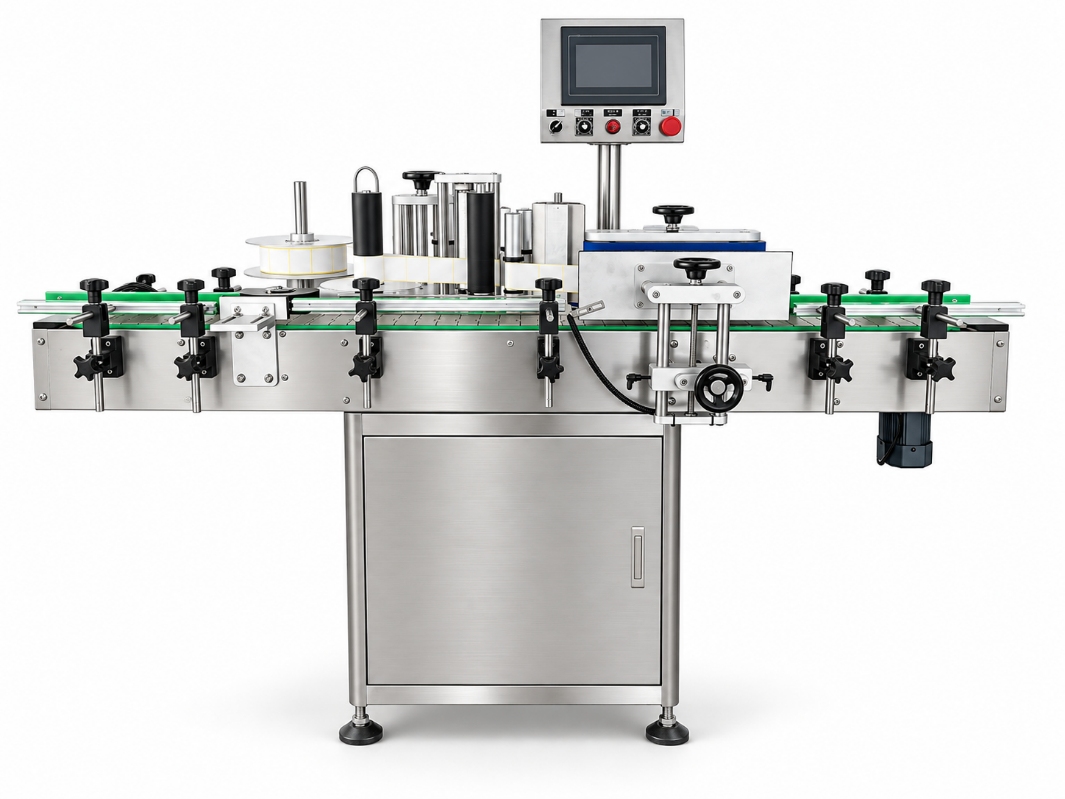
Pressure-sensitive labels on common glass, plastic or metal round bottles, including syrup bottles and pharmaceutical containers.
View machine →Related buyer guides
Use these guides to organize application and packaging data before a detailed line discussion.
Project requirement checklist
A useful proposal starts with the formula, dose, bottle, closure, hygiene approach, inspection scope and production target. This checklist helps a project team organize those inputs before equipment selection.
Read the guide →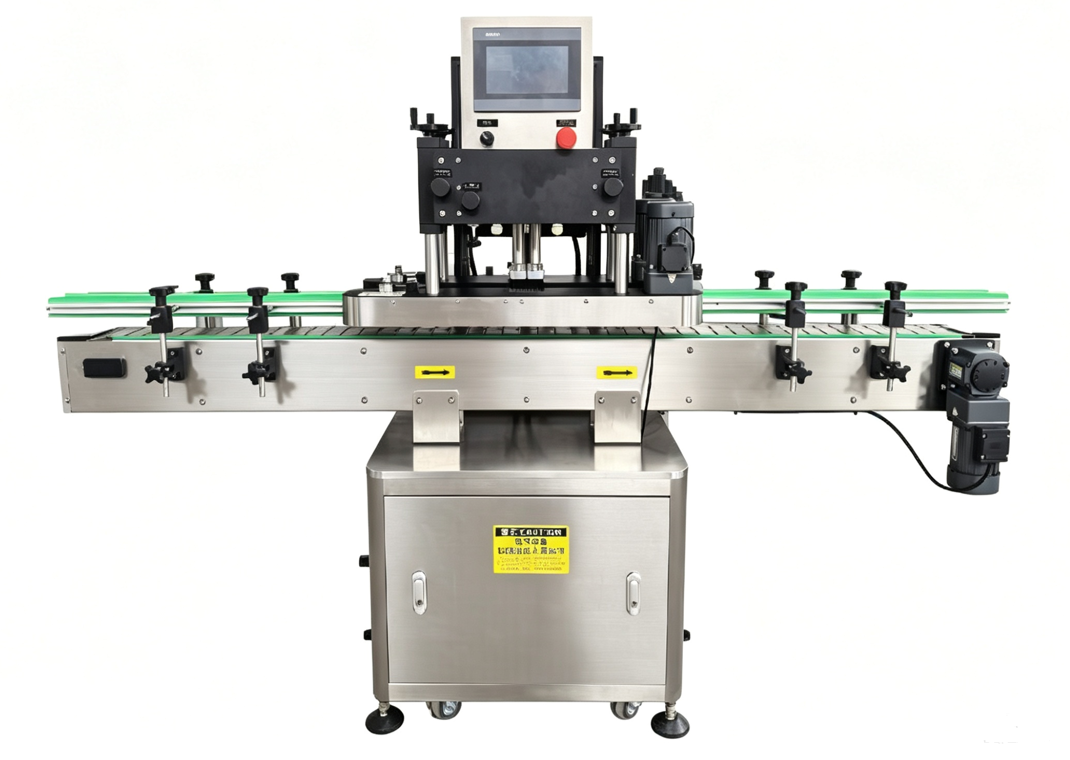
Packaging sample checklist
Bottle and closure details affect filling position, conveying, cap feeding, tightening, labeling and changeover. Supplying drawings and representative samples early reduces avoidable assumptions in a line proposal.
Read the guide →Request a configuration
Start with the production task
Prepare your material, container, closure, label, target output and available floor space. These inputs define the right next step.
Get a Quote →