Machinery Application-led packaging

Connected line planning

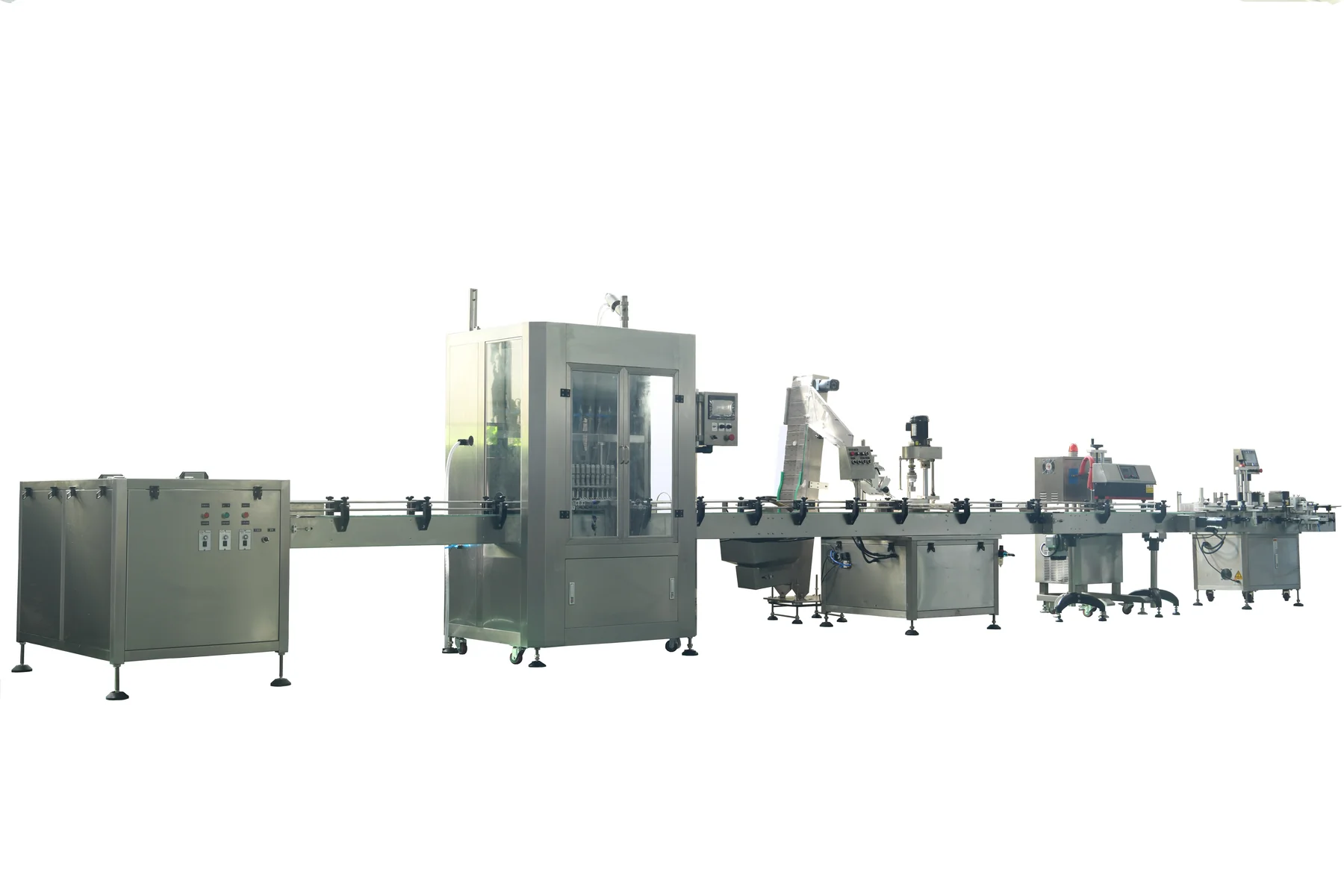
Plan the equipment as one connected line.

Compare the process flow, module interfaces and configuration choices. Start with the primary pack, then define inspection and downstream packaging.

Food and condiment packaging line arrangement

Choose the line scope

From primary packing to finished cases.

Each plan connects a process sequence with the choices needed for quotation. Product, pack, output target, utilities and acceptance criteria define the final scope.

Review your material and pack →

Liquid bottling lines

Final modules and interfaces depend on the product and pack.
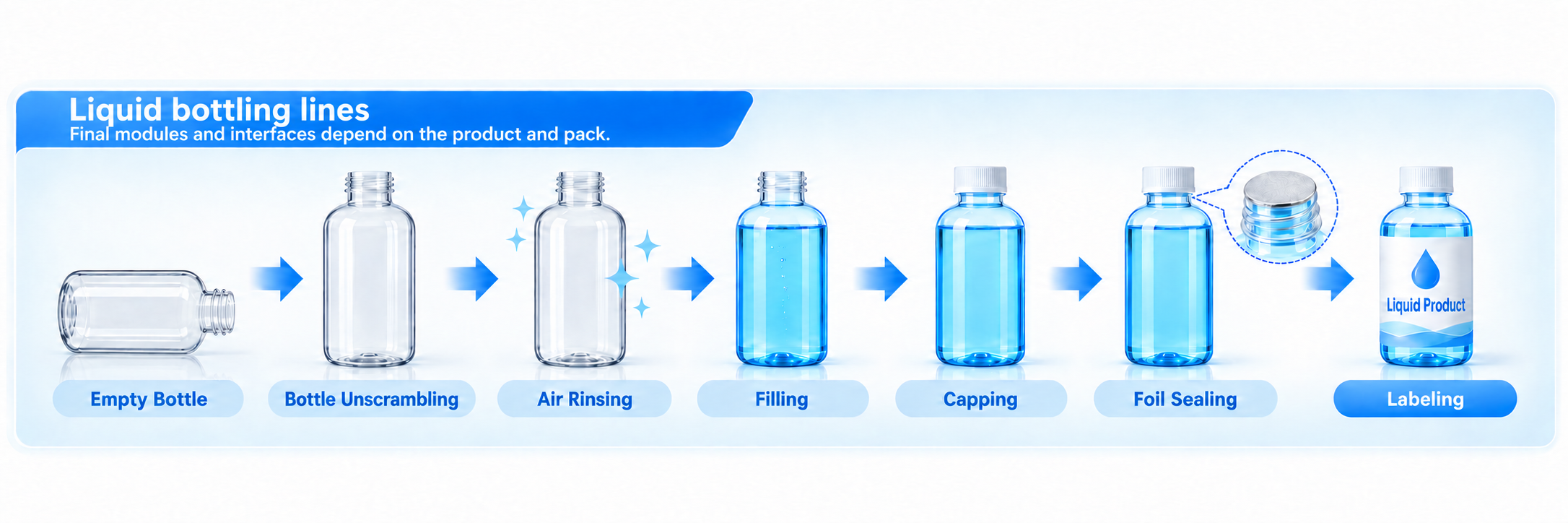
Liquid bottling lines. Final modules and interfaces depend on the product and pack. Illustrated packaging transformation from empty bottle through unscrambling, air rinsing, filling, capping, foil sealing and labeling.
  1. 01

    Prepare bottles

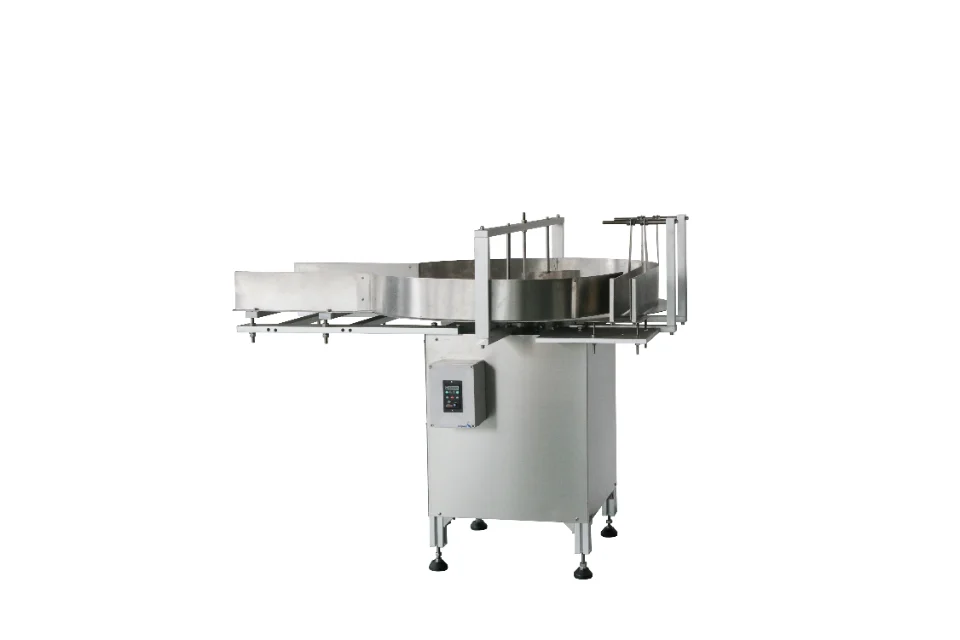
    Turntable bottle infeed reference

    Bottle handling is selected for the pack.

    Discuss module options
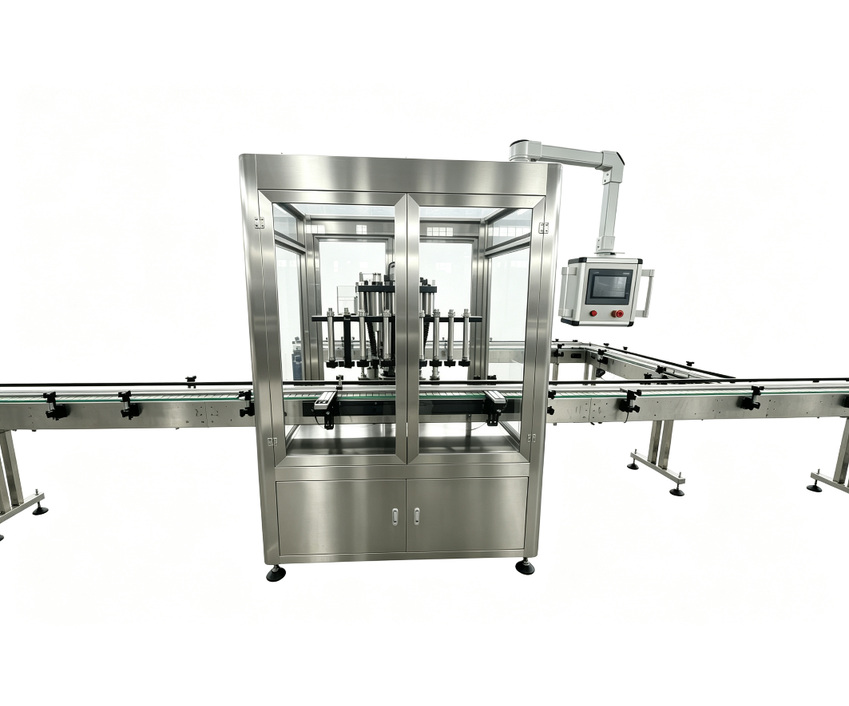
  2. FQX-D negative-ion air rinser

    Optional air-cleaning module; confirm the hygiene scope.

    Open equipment page ↗
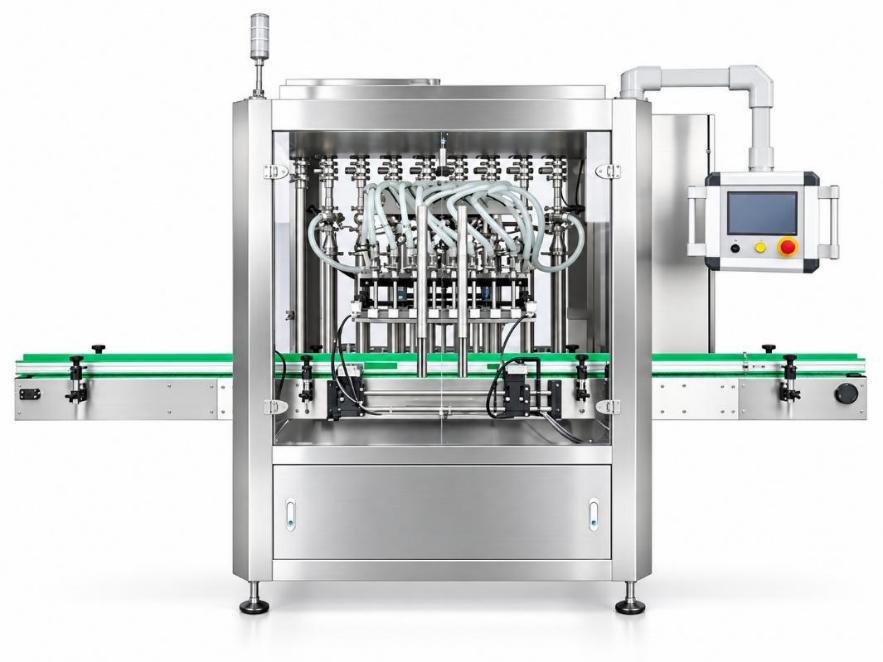
  3. YGZ-HD100 linear piston filler

    Piston metering; fixed-station or tracking motion follows review.

    Open equipment page ↗
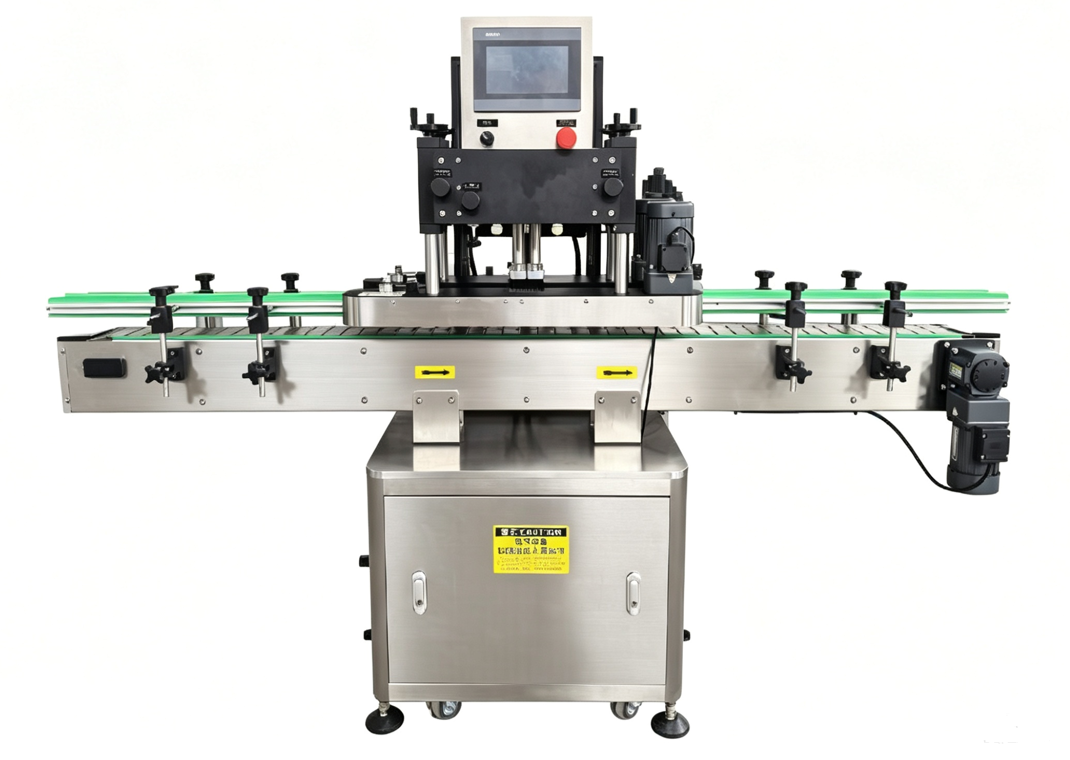
  4. ZXG-4 four-wheel capper

    Select the closing module with cap samples.

    Open equipment page ↗
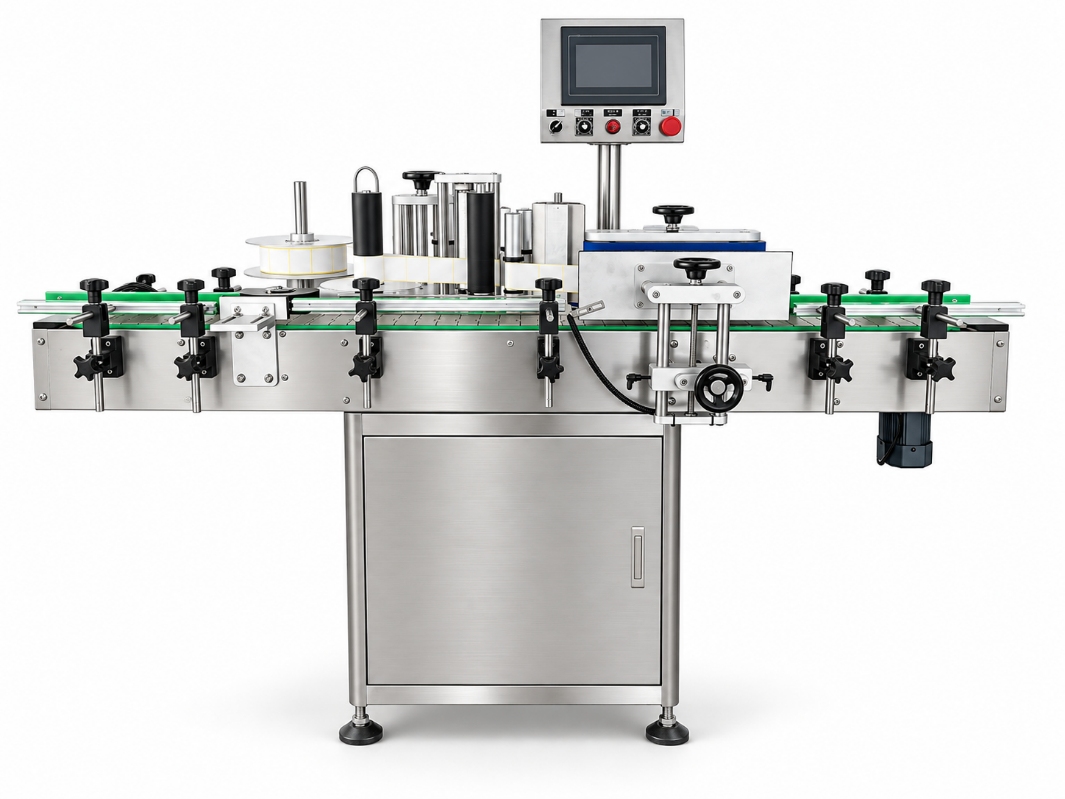
  1. DLTB-A round-bottle labeler

    Label and pack geometry determine the setup.

    Open equipment page ↗
  2. 06

    Inspect & transfer

    Module selected
    for your application

    Inspection method and rejection interface require project review.

    Discuss module options
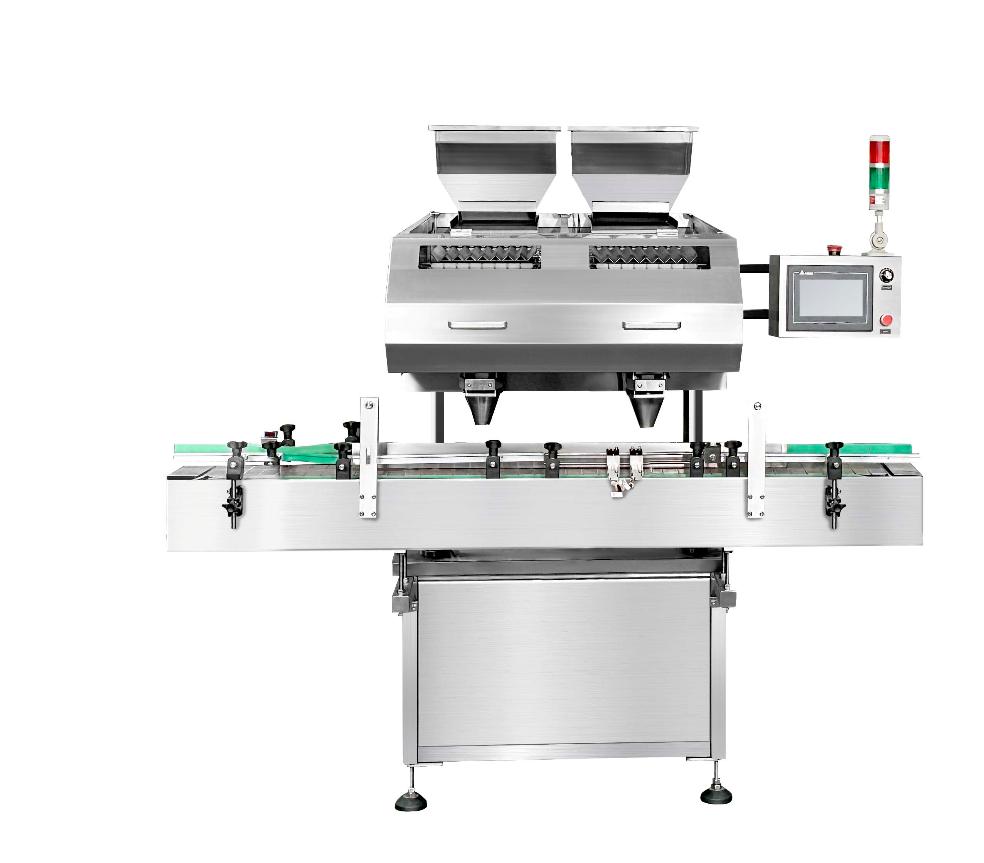
Counted pieces / bottles

Counting bottling lines

Plan piece separation, photoelectric counting and counted-batch discharge before coordinating bottle closing and downstream modules.

Process illustration
  1. 01 Empty bottles
  2. 02 Prepared bottles
  3. 03 Bottles with counted pieces
  4. 04 Bottles with the reviewed insert
  5. 05 Closed bottles
  6. 06 foil Foil-sealed bottles
  7. 07 Labeled bottles
  8. 08 Bottles reviewed for coding
  9. 09 Checked finished bottles

Final modules and interfaces depend on the product and pack.

  1. 01

    Prepare bottles

    Turntable bottle infeed reference

    Bottle handling is selected for the pack.

    Discuss module options
  2. FQX-D negative-ion air rinser

    Optional air-cleaning module; confirm the hygiene scope.

    Open equipment page ↗
  3. GS electronic counting module reference

    Counting platform review; sticky products need sample tests.

    Open platform review ↗
  4. 04

    Insert desiccant (optional)

    Module selected
    for your application

    Project option; confirm insert suitability and the insertion interface.

    Discuss module options
  1. ZXG-4 four-wheel capper

    Select the closing module with cap samples.

    Open equipment page ↗
  2. 06

    Foil-seal bottles (optional)

    Module selected
    for your application

    Project option; confirm closure liner and sealing requirements.

    Discuss module options
  3. DLTB-A round-bottle labeler

    Label and pack geometry determine the setup.

    Open equipment page ↗
  4. 08

    Apply product code (optional)

    Module selected
    for your application

    Project option; agree the code, print surface and verification method.

    Discuss module options
  1. 09

    Inspect & transfer

    Module selected
    for your application

    Inspection method and rejection interface require project review.

    Discuss module options
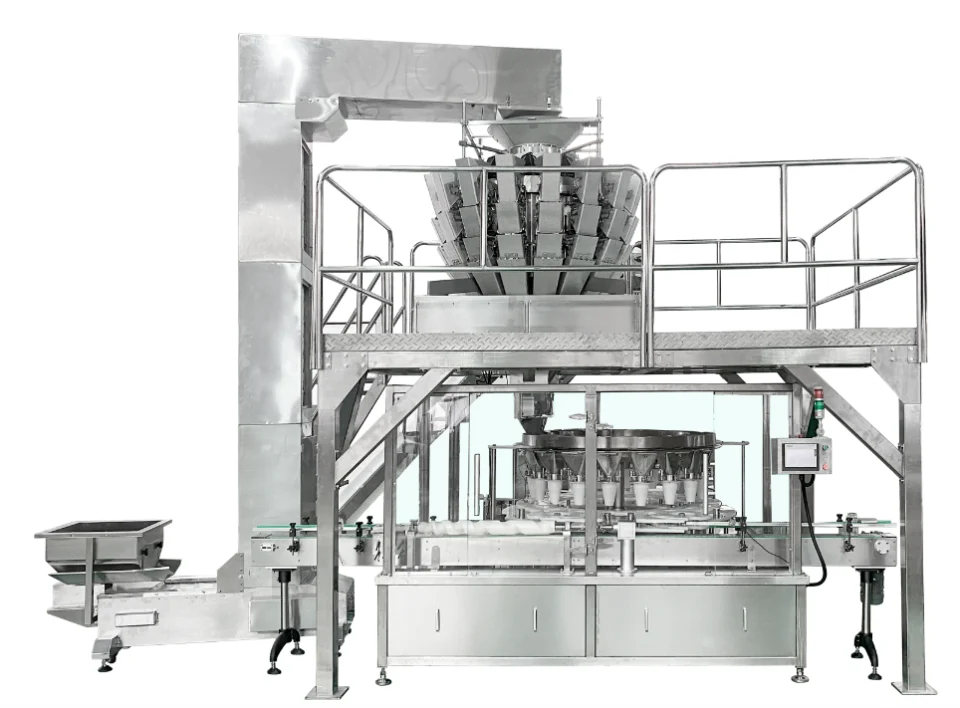
Weight-based quantity control / bottles

Weighing-based bottling lines

Review combination weighing and container transfer for suitable granular products. Product flow, target weight and the bottle opening shape the interface.

Process illustration
  1. 01 Empty bottles
  2. 02 Bottles with weighed product
  3. 03 Closed bottles
  4. 04 Labeled bottles
  5. 05 Checked finished bottles

Final modules and interfaces depend on the product and pack.

  1. 01

    Prepare bottles

    Turntable bottle infeed reference

    Bottle handling is selected for the pack.

    Discuss module options
  2. Combination-weighing and rotary container-transfer reference

    Integrated weighing and transfer for suitable granular products, subject to product and pack tests.

    Open platform review ↗
  3. ZXG-4 four-wheel capper

    Select the closing module with cap samples.

    Open equipment page ↗
  4. DLTB-A round-bottle labeler

    Label and pack geometry determine the setup.

    Open equipment page ↗
  1. 05

    Inspect & transfer

    Module selected
    for your application

    Inspection method and rejection interface require project review.

    Discuss module options
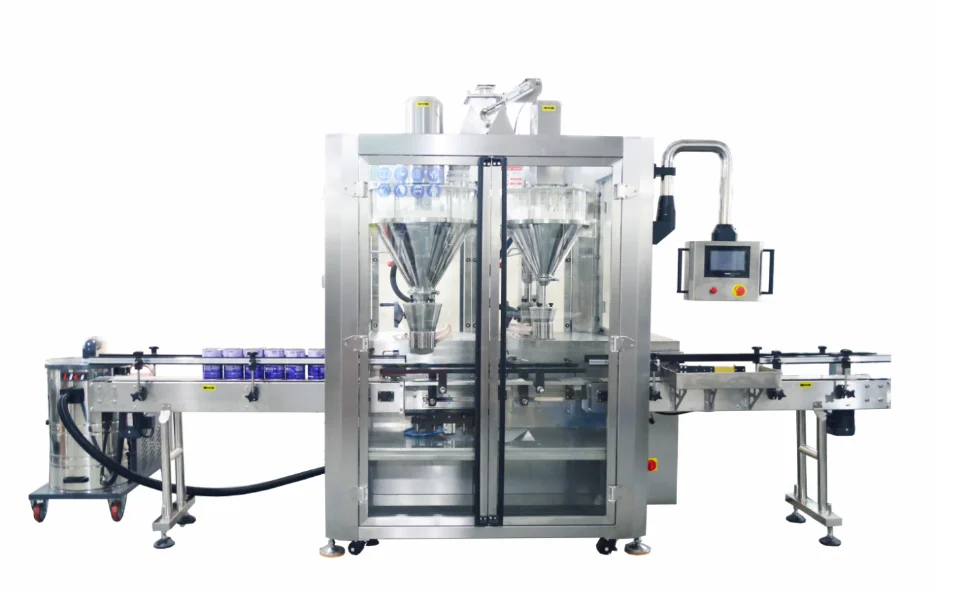
Powder primary packaging / bottles or cans

Powder bottling lines

Review auger dosing, weighing feedback and primary-fill/top-up stages with powder samples, container openings and dust-handling requirements.

Process illustration
  1. 01 Empty bottles
  2. 02 Powder-filled bottles
  3. 03 Weight-reviewed bottles
  4. 04 Closed bottles
  5. 05 Labeled bottles
  6. 06 Checked finished bottles

Final modules and interfaces depend on the product and pack.

  1. 01

    Prepare bottles

    Turntable bottle infeed reference

    Bottle handling is selected for the pack.

    Discuss module options
  2. LFGZ-2W auger primary-fill and top-up reference

    Primary-fill/top-up reference; powder and container tests define scope.

    Open platform review ↗
  3. LFGZ-2W primary-fill/top-up module

    Configuration within the auger platform; confirm the check method.

    Open platform review ↗
  4. ZXG-4 four-wheel capper

    Select the closing module with cap samples.

    Open equipment page ↗
  1. DLTB-A round-bottle labeler

    Label and pack geometry determine the setup.

    Open equipment page ↗
  2. 06

    Inspect & transfer

    Module selected
    for your application

    Inspection method and rejection interface require project review.

    Discuss module options
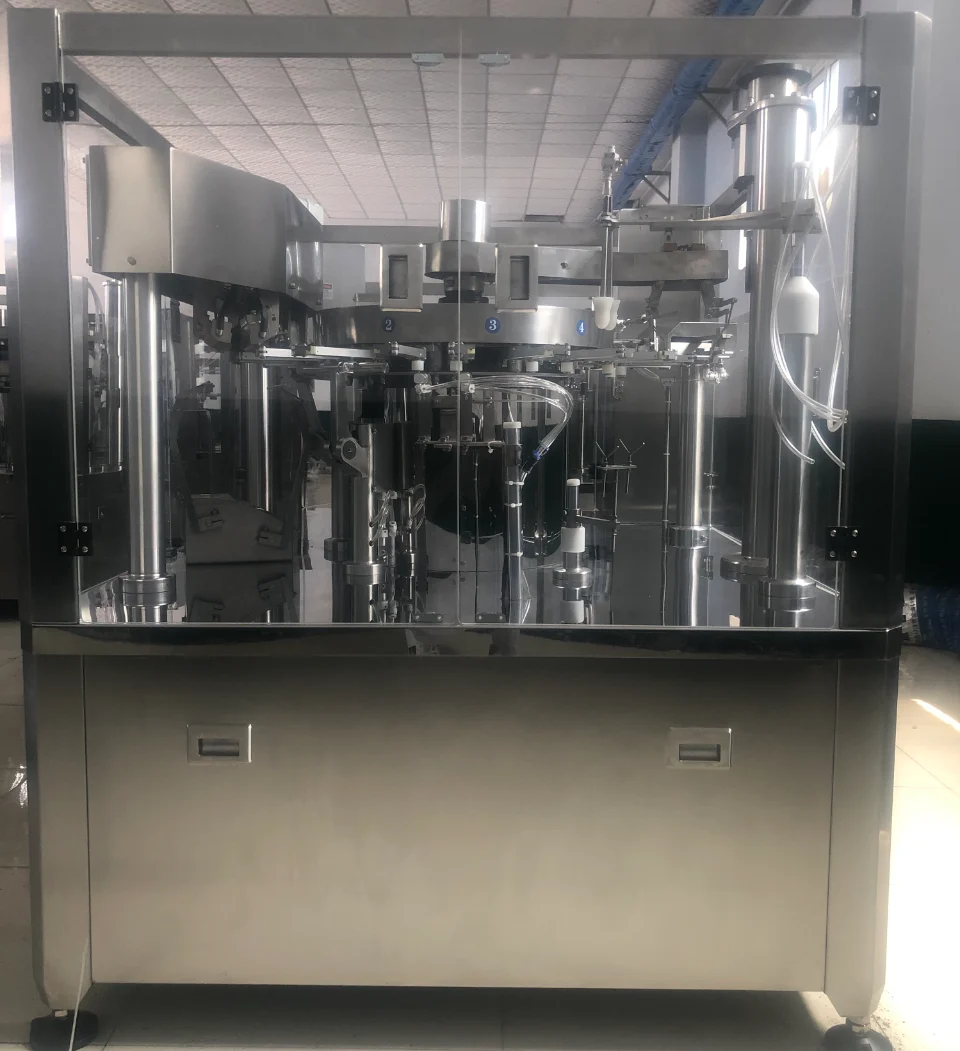
Liquid primary packaging / bags

Liquid bag lines

Coordinate liquid dosing with pouch supply, opening, support, sealing and discharge. Product behavior and pack construction define the interface.

Process illustration
  1. 01 Empty premade pouches
  2. 02 Opened pouches
  3. 03 Liquid-filled pouches
  4. 04 Sealed pouches
  5. 05 Checked finished pouches

Final modules and interfaces depend on the product and pack.

  1. 01

    Supply pouches

    Premade-pouch handling module reference

    Step within the matched pouch module; not a separate machine.

    Discuss module options
  2. 02

    Open & support pouches

    Premade-pouch handling module reference

    Step within the matched pouch module; not a separate machine.

    Discuss module options
  3. 03

    Dose the liquid

    Module selected
    for your application

    Select liquid dosing with the product and pouch interface.

    Discuss module options
  4. 04

    Seal pouches

    Premade-pouch handling module reference

    Step within the matched pouch module; not a separate machine.

    Discuss module options
  1. 05

    Inspect & transfer

    Module selected
    for your application

    Inspection method and rejection interface require project review.

    Discuss module options
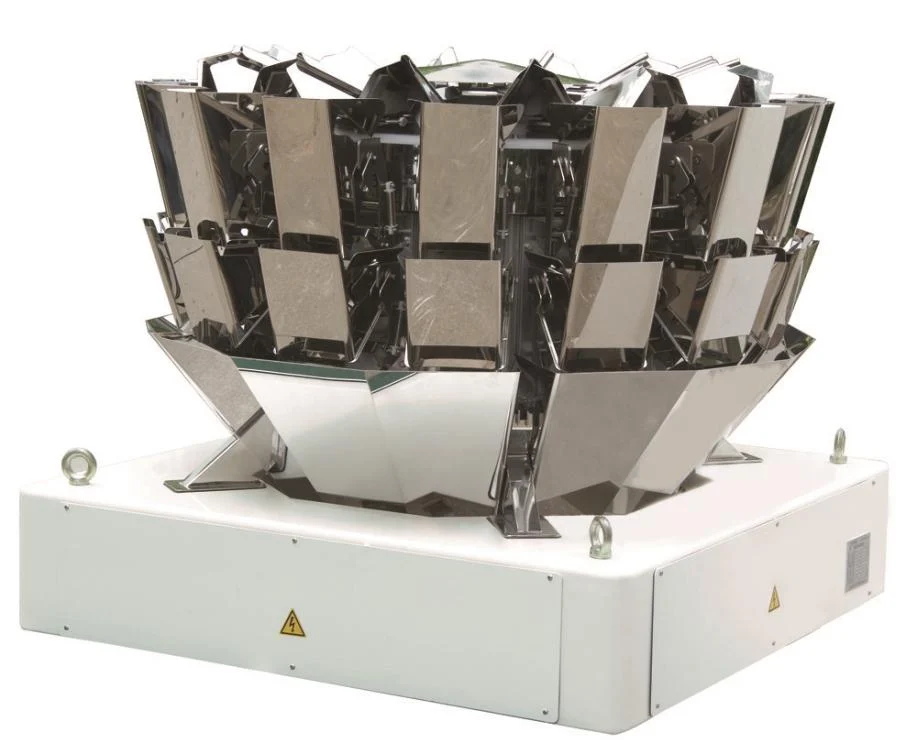
Counted pieces / bags

Counting bag lines

Review separation and counting before coordinating counted-batch transfer with pouch opening, support and sealing.

Process illustration
  1. 01 Empty premade pouches
  2. 02 Opened pouches
  3. 03 Pouches with counted pieces
  4. 04 Sealed pouches
  5. 05 Checked finished pouches

Final modules and interfaces depend on the product and pack.

  1. 01

    Supply pouches

    Premade-pouch handling module reference

    Step within the matched pouch module; not a separate machine.

    Discuss module options
  2. 02

    Open & support pouches

    Premade-pouch handling module reference

    Step within the matched pouch module; not a separate machine.

    Discuss module options
  3. GS electronic counting module reference

    Counting platform review; sticky products need sample tests.

    Open platform review ↗
  4. 04

    Seal pouches

    Premade-pouch handling module reference

    Step within the matched pouch module; not a separate machine.

    Discuss module options
  1. 05

    Inspect & transfer

    Module selected
    for your application

    Inspection method and rejection interface require project review.

    Discuss module options
Weight-based quantity control / bags

Weighing-based bag lines

Coordinate a reviewed weighing system with pouch opening, batch release, support and sealing for suitable granular products.

Process illustration
  1. 01 Empty premade pouches
  2. 02 Opened pouches
  3. 03 Pouches with weighed product
  4. 04 Sealed pouches
  5. 05 Checked finished pouches

Final modules and interfaces depend on the product and pack.

  1. 01

    Supply pouches

    Premade-pouch handling module reference

    Step within the matched pouch module; not a separate machine.

    Discuss module options
  2. 02

    Open & support pouches

    Premade-pouch handling module reference

    Step within the matched pouch module; not a separate machine.

    Discuss module options
  3. Combination weigher for a matched pouch interface

    Product flow, discharge and pouch timing require sample review.

    Open platform review ↗
  4. 04

    Seal pouches

    Premade-pouch handling module reference

    Step within the matched pouch module; not a separate machine.

    Discuss module options
  1. 05

    Inspect & transfer

    Module selected
    for your application

    Inspection method and rejection interface require project review.

    Discuss module options
Powder primary packaging / bags

Powder bag lines

Review powder dosing and pouch handling as separate, coordinated modules. Dust and seal-area cleanliness are part of the application review.

Process illustration
  1. 01 Empty premade pouches
  2. 02 Opened pouches
  3. 03 Powder-filled pouches
  4. 04 Sealed pouches
  5. 05 Checked finished pouches

Final modules and interfaces depend on the product and pack.

  1. 01

    Supply pouches

    Premade-pouch handling module reference

    Step within the matched pouch module; not a separate machine.

    Discuss module options
  2. 02

    Open & support pouches

    Premade-pouch handling module reference

    Step within the matched pouch module; not a separate machine.

    Discuss module options
  3. 03

    Dose the powder

    Module selected
    for your application

    Select powder dosing with the product and pouch interface.

    Discuss module options
  4. 04

    Seal pouches

    Premade-pouch handling module reference

    Step within the matched pouch module; not a separate machine.

    Discuss module options
  1. 05

    Inspect & transfer

    Module selected
    for your application

    Inspection method and rejection interface require project review.

    Discuss module options
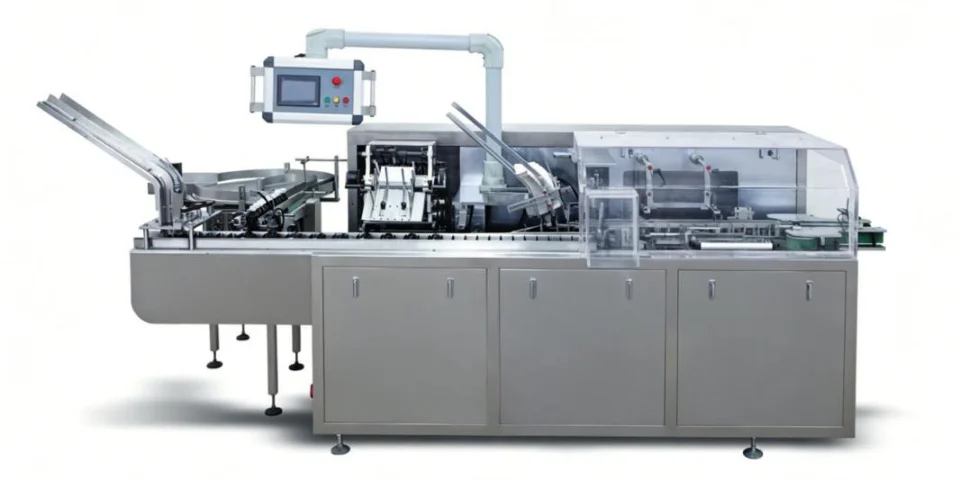
Retail secondary packaging

Cartoning lines

Start with completed primary packs, then coordinate carton opening, product loading and closing around the retail-carton samples.

Process illustration
  1. 01 Completed primary packs
  2. 02 Opened retail cartons
  3. 03 Loaded retail cartons
  4. 04 Closed retail cartons
  5. 05 Checked finished cartons

Final modules and interfaces depend on the product and pack.

  1. 01

    Receive primary packs

    Module selected
    for your application

    Product infeed is matched to the finished pack.

    Discuss module options
  2. 02

    Open retail cartons

    Horizontal cartoning module reference

    Step within the cartoning module; pack tests define the setup.

    Discuss module options
  3. 03

    Load primary packs

    Horizontal cartoning module reference

    Step within the cartoning module; pack tests define the setup.

    Discuss module options
  4. 04

    Close retail cartons

    Horizontal cartoning module reference

    Step within the cartoning module; pack tests define the setup.

    Discuss module options
  1. 05

    Inspect & transfer

    Module selected
    for your application

    Inspection method and rejection interface require project review.

    Discuss module options
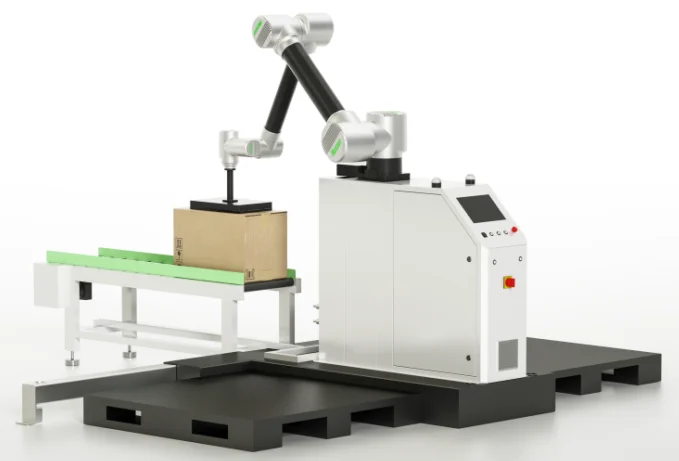
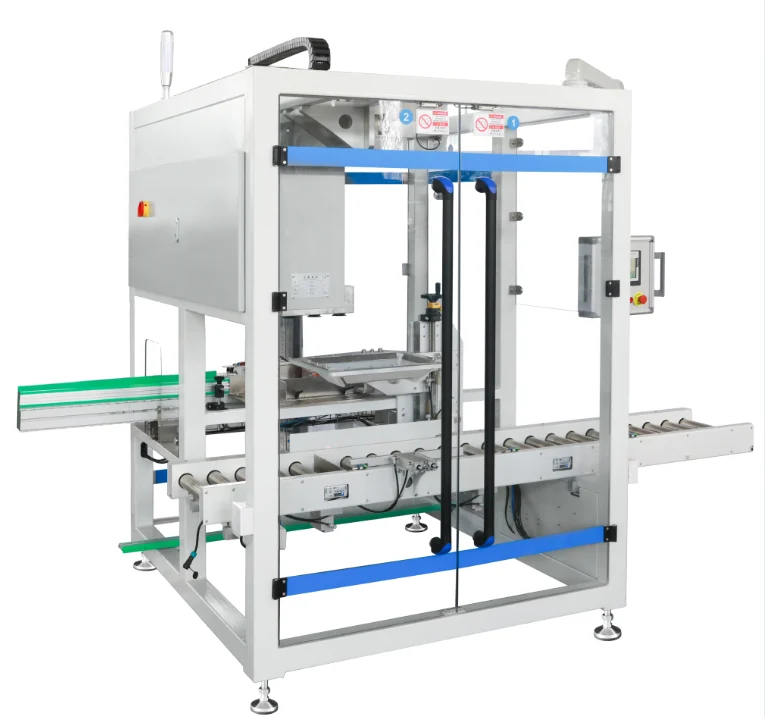
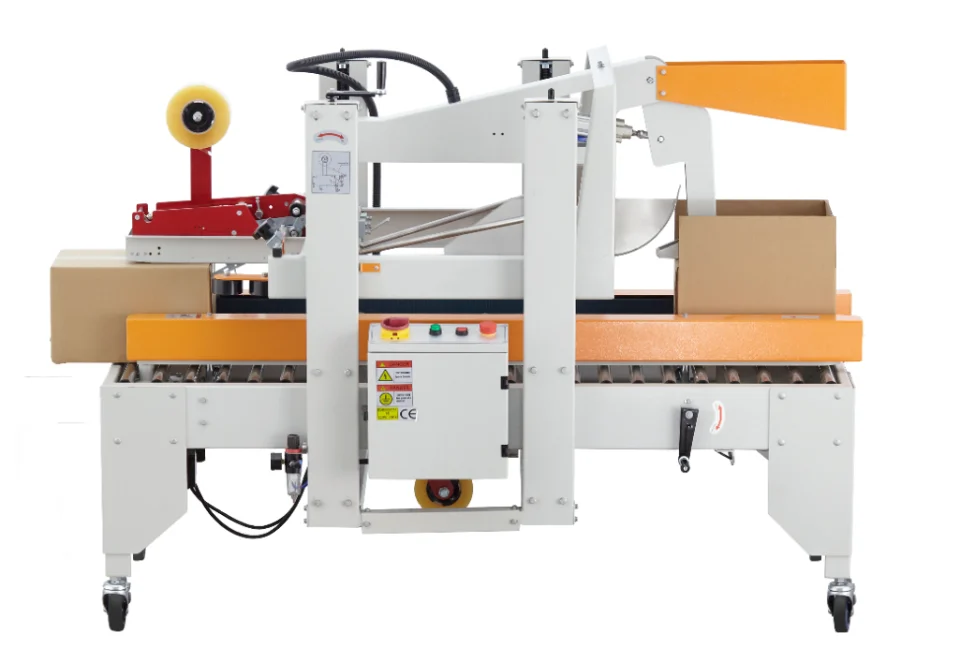
Shipping secondary packaging

Case packing & palletizing lines

Arrange finished bottles, pouches or cartons for case loading and sealing, then review palletizing around case and pallet samples.

Process illustration
  1. 01 Grouped primary packs
  2. 02 Opened shipping cases
  3. 03 Loaded shipping cases
  4. 04 Sealed shipping cases
  5. 05 Palletized shipping cases

Final modules and interfaces depend on the product and pack.

  1. 01

    Group finished packs

    Module selected
    for your application

    Grouping and accumulation interfaces are project-specific.

    Discuss module options
  2. 02

    Prepare shipping cases

    Module selected
    for your application

    Select case forming or manual case preparation for the scope.

    Discuss module options
  3. 03

    Load shipping cases

    Servo-gripper case-packing module reference

    Case-loading reference; grouping and pack handling require review.

    Discuss module options
  4. 04

    Close & seal cases

    Flap-folding and tape case-sealing module reference

    Closing method is confirmed with case samples.

    Discuss module options
  1. 05

    Arrange pallet layers

    Collaborative-robot palletizing workstation engineering reference

    New-project option; confirm end effector and project-specific safeguarding.

    Discuss module options

Bottle-line planning

Review the detailed filling-line scope.

Explore equipment choices, configuration requirements and the information needed to plan a bottle filling line.

Food & Condiment Filling Lines01

Primary application

Food & Condiment Filling Lines

Sauces and condiments can vary in viscosity, particle content, foaming and temperature sensitivity. The line must consider how the product flows, how filling stops cleanly and how the product path will be cleaned.

Review this line plan →
Liquid Supplement Filling Lines02

Focused solution capability

Liquid Supplement Filling Lines

Liquid supplements often combine small fill volumes, hygiene requirements, recipe changes and traceability expectations. The formula, dose, container, closure and inspection requirement should be defined before the line is selected.

Review this line plan →

Selection guides

Prepare the inputs for line selection.

Compare filling methods and prepare product, bottle, closure and line requirements before confirming the configuration.

Food and condiment filling line used to assess a sauce filling application

Sauce filling selection guide

Selecting a sauce filling method

Choose the filling principle after reviewing how the product behaves, how the container is handled and how the product path will be cleaned—not from a catalogue label alone.

Read the guide →
Servo piston filler considered for a liquid supplement bottling line

Project requirement checklist

Liquid supplement line checklist

A useful proposal starts with the formula, dose, bottle, closure, hygiene approach, inspection scope and production target. This checklist helps a project team organize those inputs before equipment selection.

Read the guide →
Four-wheel capper used to review bottle and cap handling

Packaging sample checklist

Bottle and cap information checklist

Bottle and closure details affect filling position, conveying, cap feeding, tightening, labeling and changeover. Supplying drawings and representative samples early reduces avoidable assumptions in a line proposal.

Read the guide →

Engineering planning

Review common packaging constraints.

These engineering scenarios support equipment and line planning. They describe selection questions and approaches.

01Engineering scenario

Viscous or particulate condiment filling

The product may drip, string, foam or contain particles, while several recipes or bottle formats share one line.

Review product behavior, nozzle and product-path design, cleaning access, container handling and downstream flow before selecting the filling principle.

02Engineering scenario

Small-dose liquid supplement bottling

Dose, hygiene, formulation changes, closure placement, coding and inspection must work as one controlled process.

Build a format matrix and define product-contact, closure-handling, inspection and acceptance requirements before comparing line layouts.

03Engineering scenario

Special closure and capping process

Bottle stability, cap geometry, feeding orientation and tightening criteria can make a general-purpose closing process unsuitable.

Use controlled drawings and physical samples to evaluate cap feeding, bottle positioning, the capping head and the required closing action together.

04Engineering scenario

Multi-format line integration

Several products, bottles, closures and labels create changeover work and can unbalance otherwise capable machines.

Map every format, line interface, change part, adjustment point and accumulation need before confirming the equipment scope.

Application planning

Confirm the configuration and acceptance criteria using your product, packaging samples and required operating conditions.

Start with the production task

Share the product, pack and output you need to run.

Prepare your material, container, closure, label, target output and available floor space. These inputs define the right next step.

Get a Quote →
WhatsApp