Formula and dose
State the product type, flow behavior, fill volume and any characteristics that affect dosing or cleaning. Do not assume that products with the same bottle size behave the same way.
Project requirement checklist
A useful proposal starts with the formula, dose, bottle, closure, hygiene approach, inspection scope and production target. This checklist helps a project team organize those inputs before equipment selection.
For supplement producers, contract manufacturers, engineers and procurement teams planning bottled vitamin drinks, oral nutrition or related liquid products.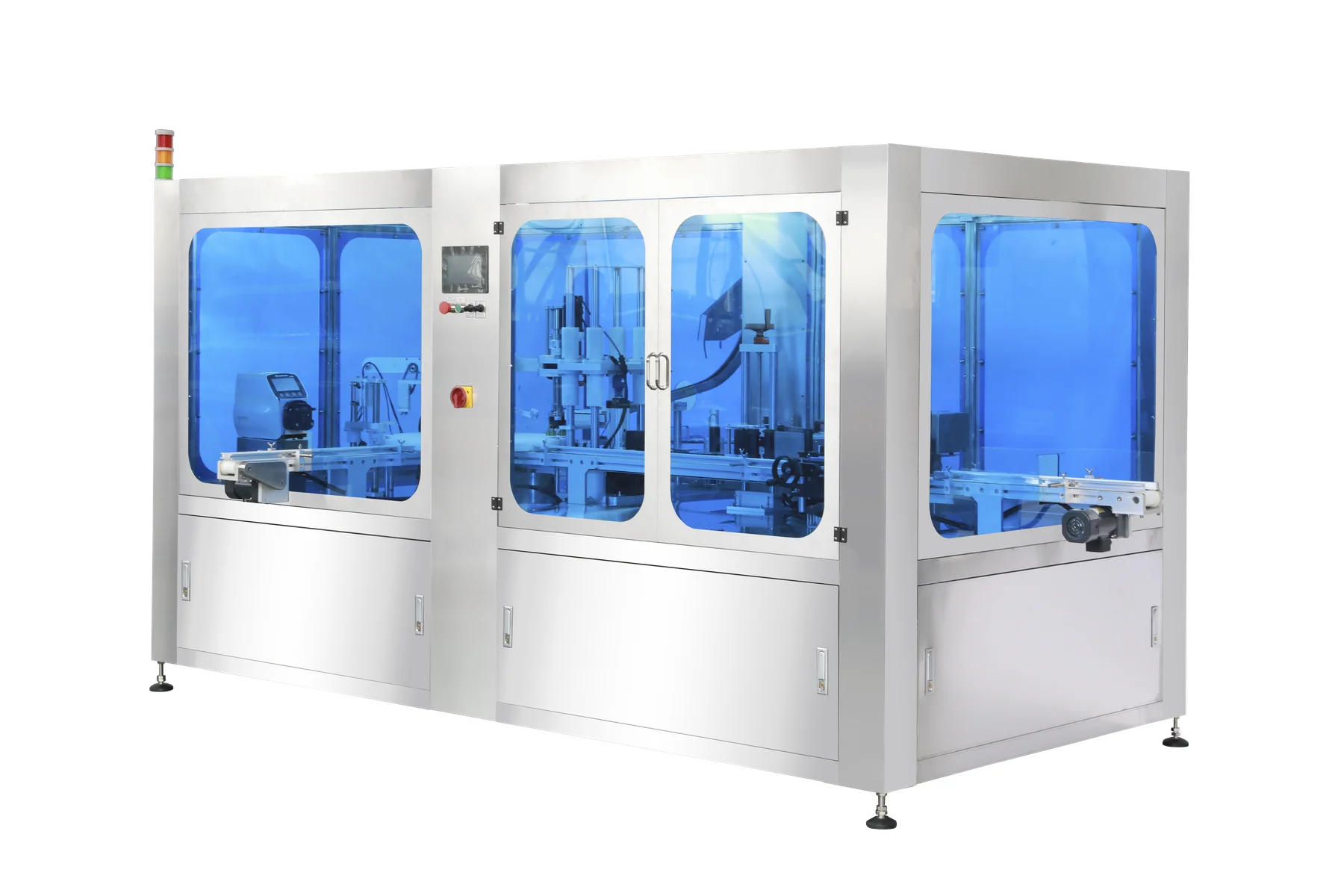
Selection decisions
State the product type, flow behavior, fill volume and any characteristics that affect dosing or cleaning. Do not assume that products with the same bottle size behave the same way.
Describe the required cleaning method, cross-contamination controls, product-change frequency and any plant procedures the equipment must support.
Provide drawings and samples for bottles, plugs, caps or other closures. Feeding, placement, detection and tightening must be considered together.
Define coding, label, vision, weight or other inspection needs and the acceptance criteria for each check. Integration depends on the chosen equipment and control scope.
Information checklist
Working process
List every product, dose, bottle, closure and label combination. Mark which combinations share components and which require change parts or different cleaning steps.
Confirm the dosing method, cleaning access and product-change expectations after the formula and hygiene requirements are reviewed.
Connect bottle infeed, optional container preparation, filling, closure application, capping, labeling, coding, inspection and collection as one operating flow.
Before final confirmation, define the samples, test products, acceptance criteria, documentation and responsibilities needed for the project.
Buyer questions
It can be evaluated. The answer depends on product behavior, cross-contamination risk, cleaning method, product-contact design and recipe management.
No. A monoblock may help when transfer control and floor space favor a compact platform, while separate machines may be appropriate for other formats or line strategies.
Coding, label inspection, vision inspection and weight checks can be considered after the required checks and acceptance criteria are defined.
Treat it as a new engineering project. Product, dose, bottle and closure handling, hygiene, inspection and target output must be reviewed together before a configuration is proposed.
Start with the production task
Prepare your material, container, closure, label, target output and available floor space. These inputs define the right next step.
Prepare your project brief →